
Dermaplaning
Dermaplaning
Reveal smoother, brighter skin
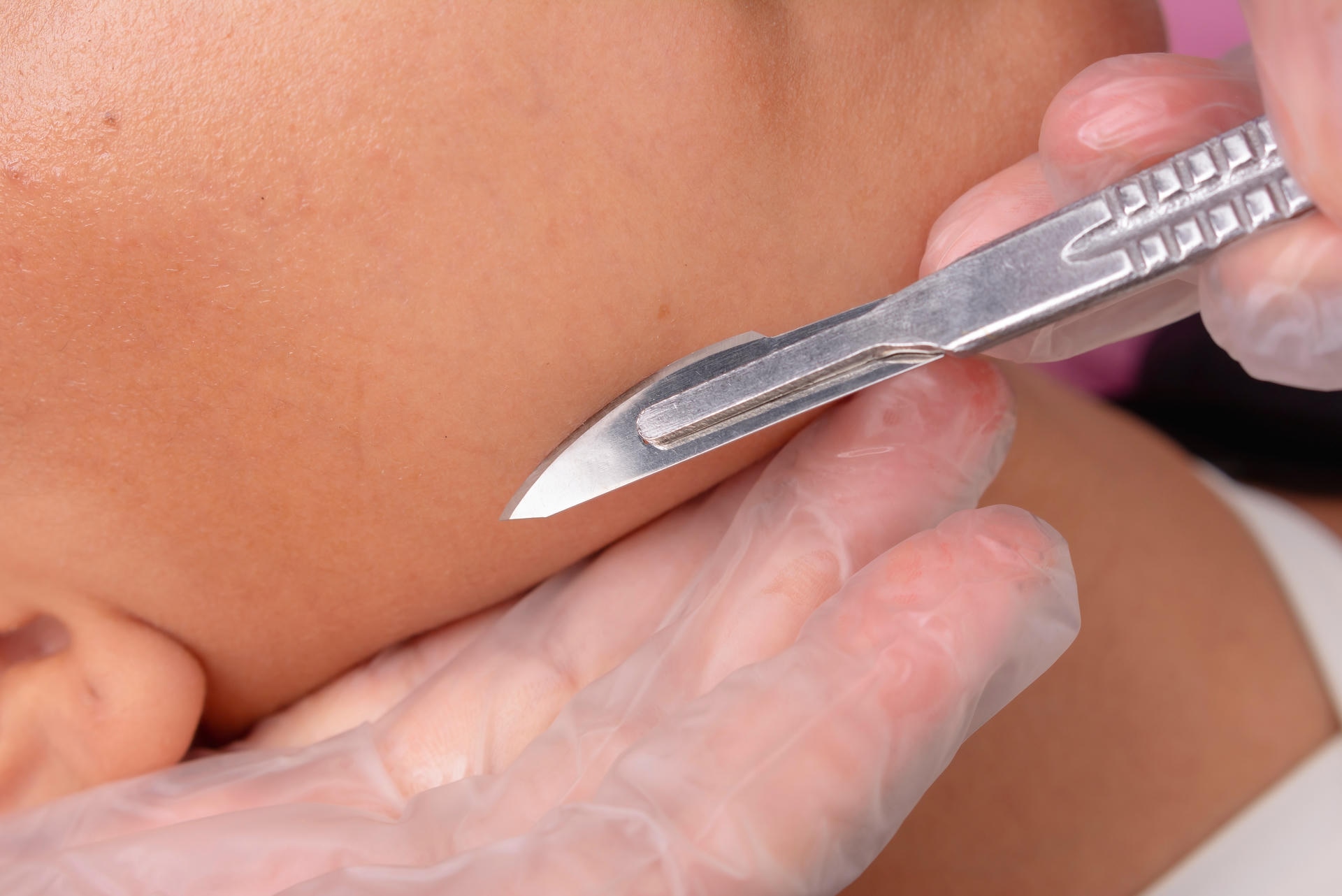
Dermaplaning is a gentle exfoliation treatment that uses a sterile surgical blade to carefully remove the outer layer of dead skin cells and fine vellus hair (often referred to as peach fuzz).
This process, known as manual exfoliation, reveals fresh, healthy skin underneath, leaving the complexion smoother, brighter and more radiant. By removing this surface layer, dermaplaning also enhances the absorption of skincare products and can help soften the appearance of fine lines.
Dermaplaning does not cause hair to grow back thicker or darker. The structure of vellus hair remains unchanged.
Benefits of Dermaplaning
Dermaplaning is a simple yet effective treatment designed to improve overall skin quality.
Benefits may include:
- Smoother skin texture
- Brighter, more radiant complexion
- Improved skin tone and clarity
- Enhanced skincare absorption
- Flawless makeup application
- Softening of fine lines
Boost Your Dermaplaning Results
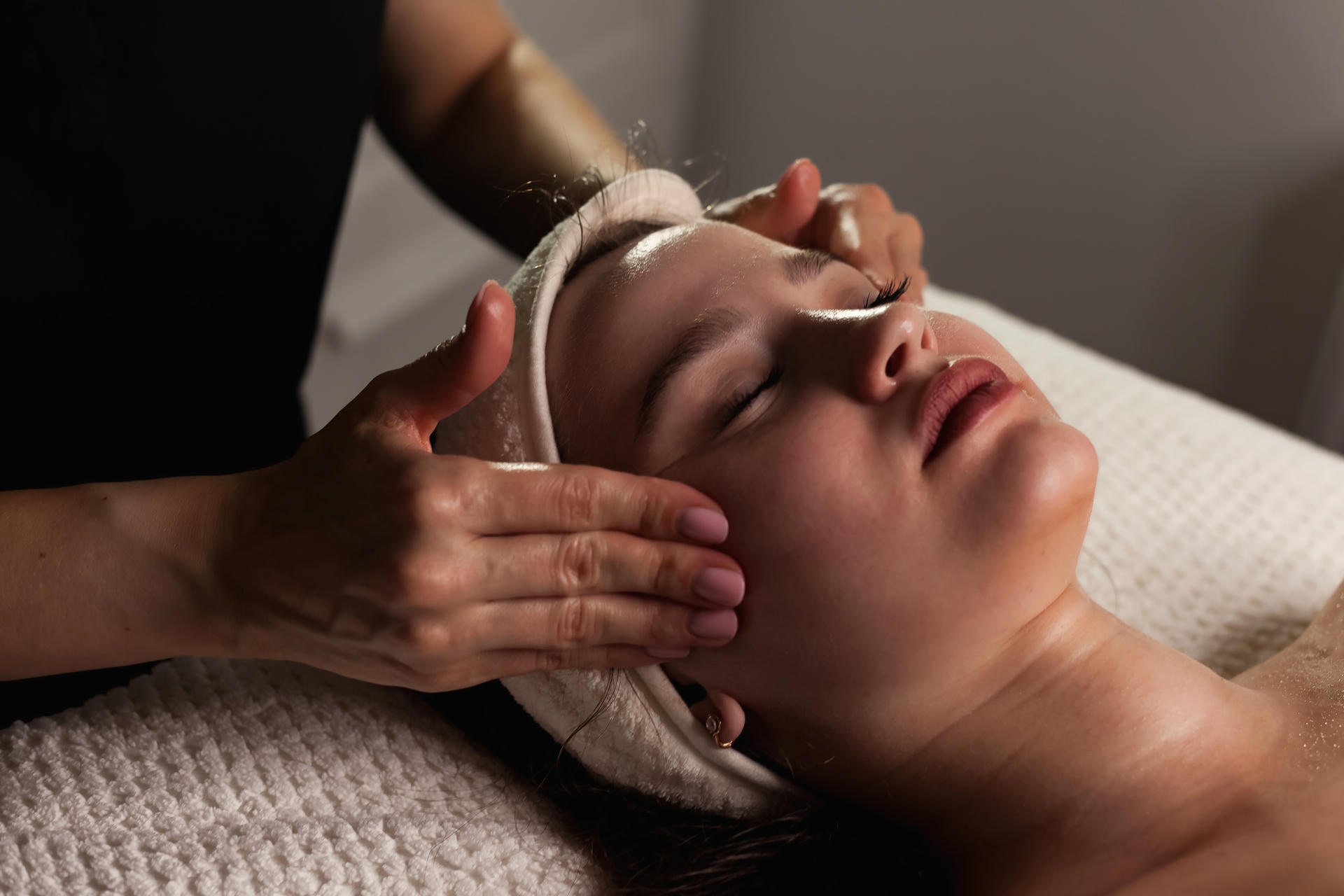
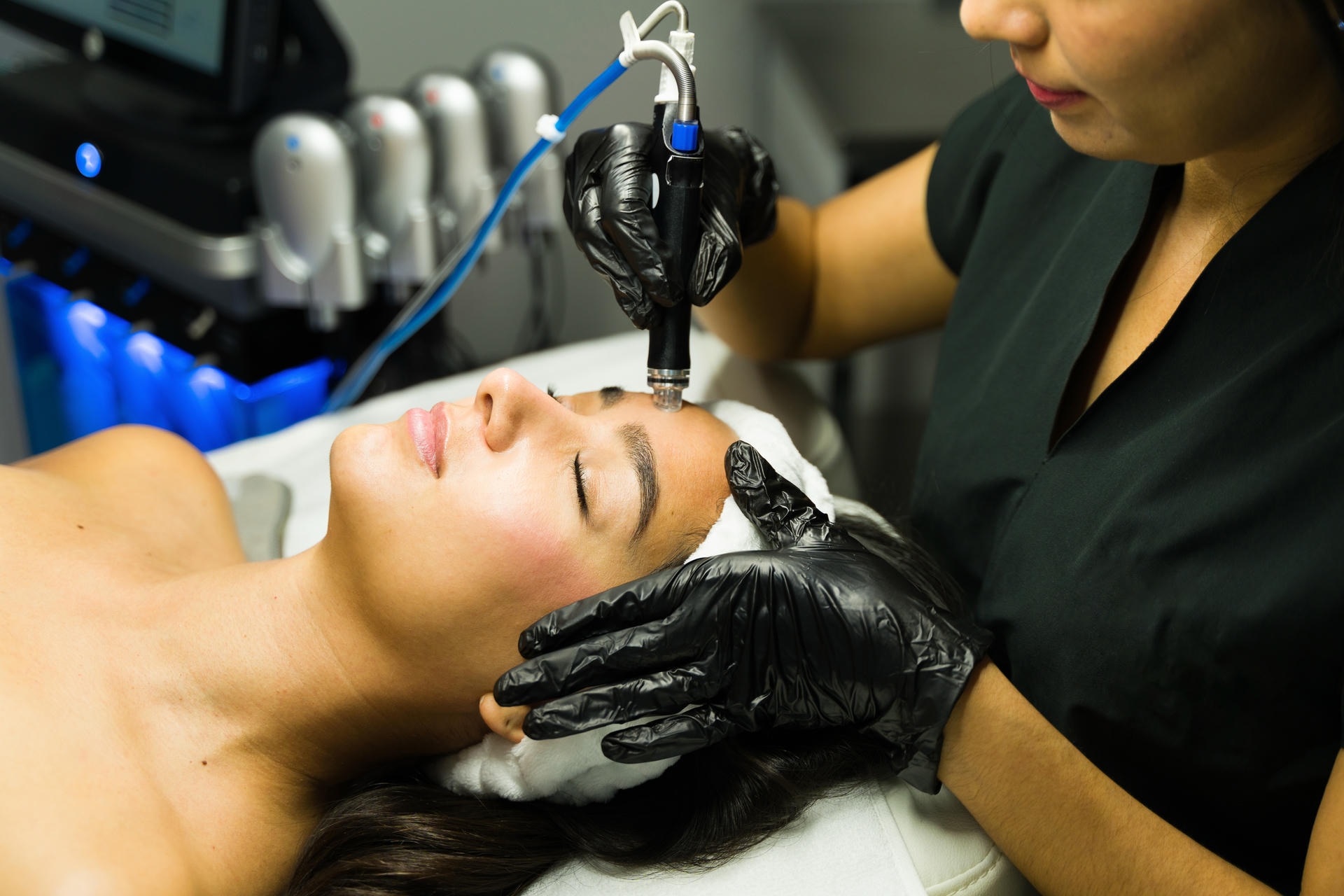
Dermaplaning pairs beautifully with treatments such as LED Light Therapy and Hydrafacial to enhance overall results. After exfoliation, the skin is more receptive, allowing LED to support healing and reduce inflammation, while Hydrafacial helps deeply cleanse, hydrate and nourish the skin. Together, these treatments can further improve skin clarity, hydration and overall glow.
Frequently Asked Questions
Your skin will first be thoroughly cleansed to remove makeup, oil and impurities. A light oil is then applied to allow the surgical blade to glide smoothly across the skin using controlled, precise strokes.
The treatment is comfortable and typically pain-free. Once complete, the skin is cleansed again and finished with moisturiser and SPF.
Immediately after treatment, the skin may appear slightly pink and feel mildly sensitive, tight or tingly. This typically settles quickly to reveal an ultra-smooth skin texture, with Improved hydration and a brighter, more even complexion.
Dermaplaning is recommended every 4–6 weeks to maintain results.
This treatment is suitable for the face and neck.
Dermaplaning is not suitable for all skin types or conditions. Treatment should be avoided if you have:
- Active acne (particularly cystic or inflamed)
- Active skin infections (including cold sores or warts)
- Open or damaged skin (sunburn, cuts, abrasions)
- Severe skin conditions such as eczema, dermatitis, rosacea or psoriasis
- Recent use of Roaccutane or prescription retinoids
- A history of keloid or hypertrophic scarring
- Certain medical conditions or medications affecting skin healing
- A consultation will determine whether this treatment is appropriate for your skin
To ensure safe and effective results, we recommend:
- Avoiding active skincare (AHAs, BHAs, retinols) for 3–5 days prior
- No chemical peels or microdermabrasion for 2 weeks prior
- No laser treatments or injectables for 2 weeks prior
- Informing your clinician of any medications, including antibiotics or blood thinners
Dermaplaning is considered a low-risk treatment when performed by trained professionals. However, potential side effects may include:
- Temporary redness or irritation
- Mild dryness or sensitivity
- Rare risk of nicking the skin
- Very rare risk of infection or scarring
All risks and aftercare will be discussed during your consultation.

